Auditors say up to $4.4 billion in fraud exposure has been identified in the state’s Medicaid program, with an ineligibility rate of 15.6%.
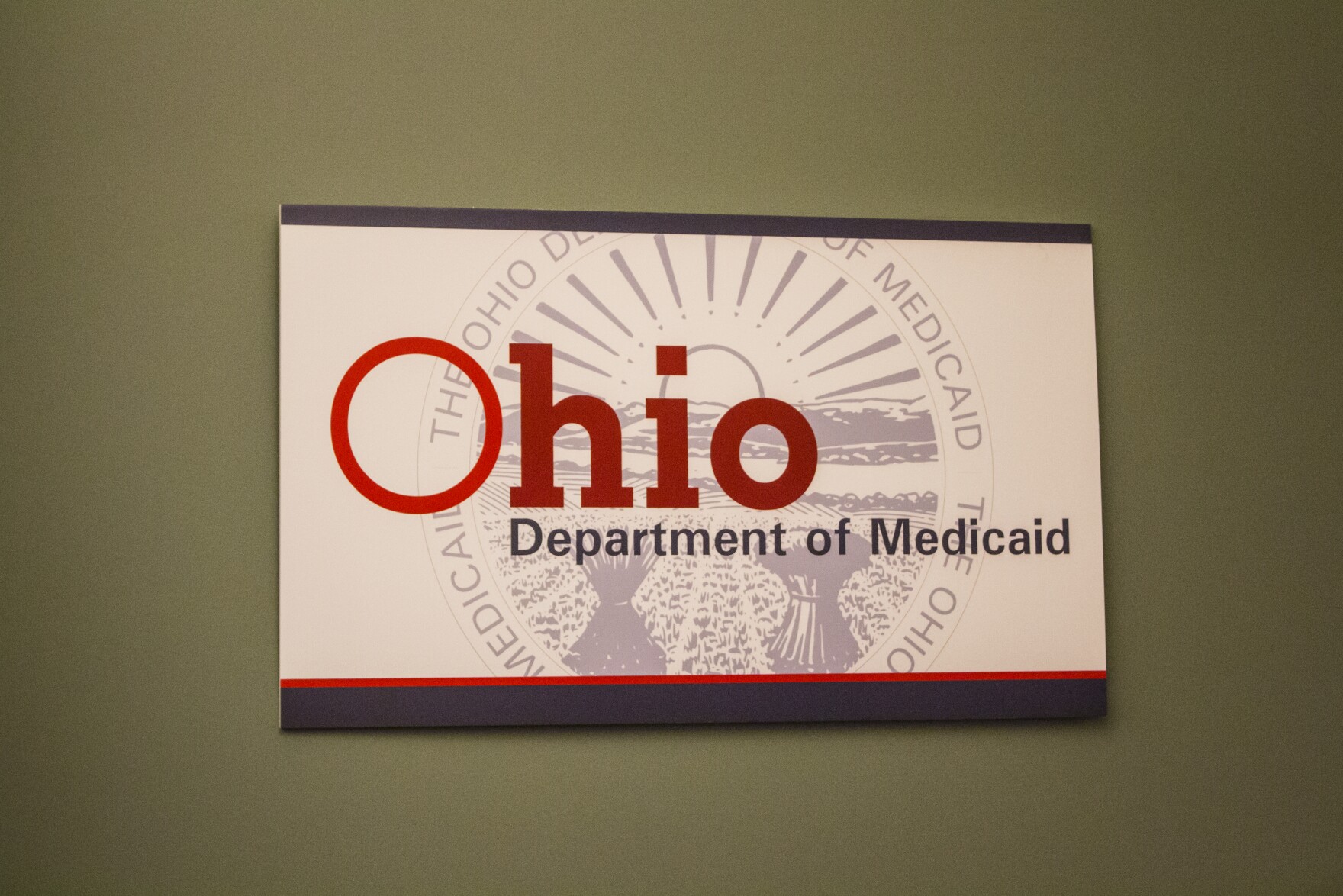
Ohio’s Medicaid program has found itself at the center of a national controversy over what investigators and Trump administration officials describe as a systemic breakdown in oversight, costing taxpayers billions.
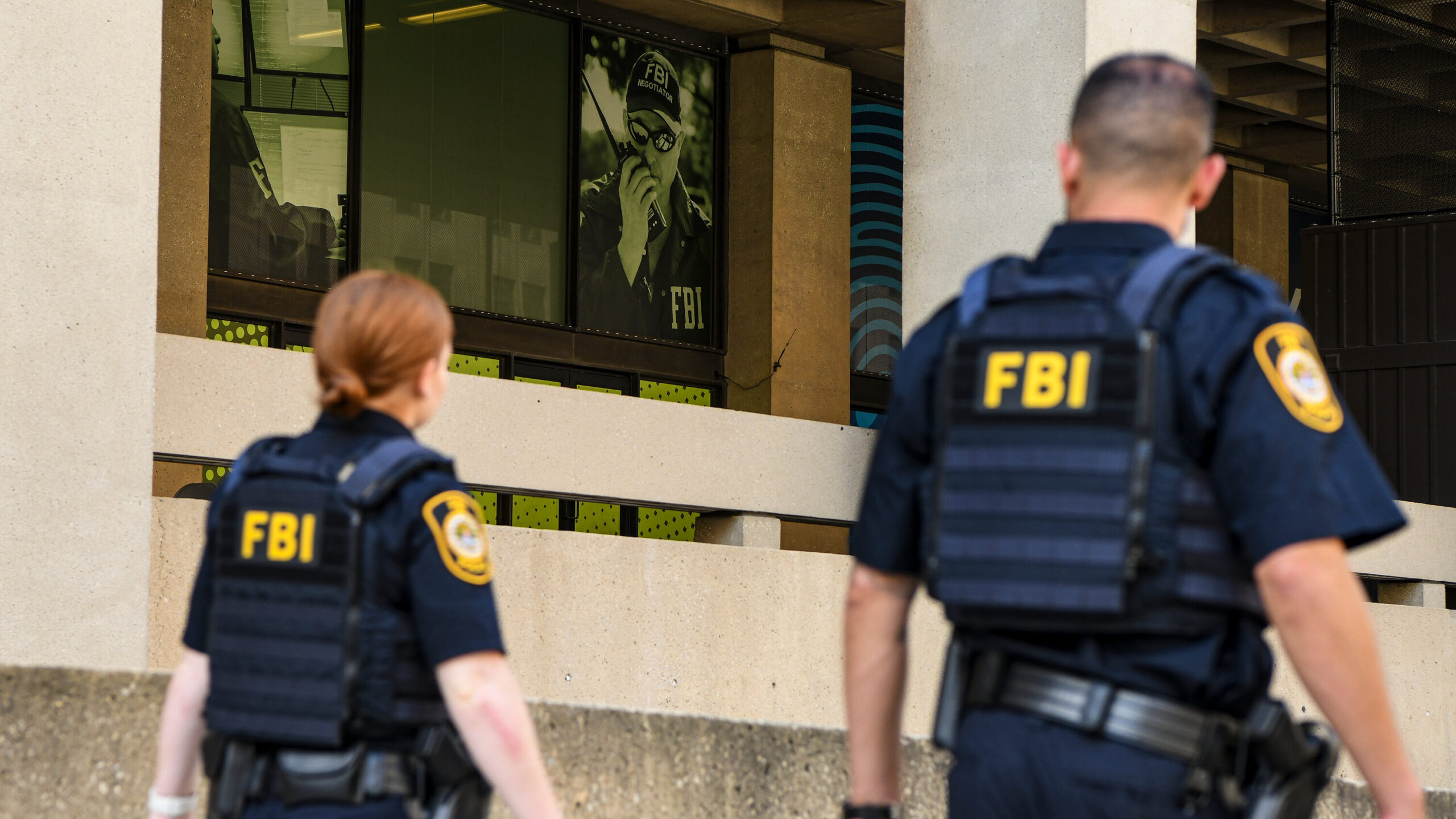
Acting Attorney General Todd Blanche, FBI Director Kash Patel, and Dr. Mehmet Oz, administrator for the Centers for Medicare and Medicaid Services, traveled to Columbus on Thursday to announce a coordinated anti-fraud effort alongside Ohio state officials. The officials announced charges against 14 people in schemes to defraud Ohio agencies, spanning Medicaid providers and behavioral health services, with all the new cases together costing taxpayers an estimated $50 million.
“Compliance was so lax or nonexistent that you could literally just steal millions and millions of dollars with nobody even checking, with nobody even investigating,” Blanche said. “It was unchecked, the money was unlimited, and you could go, like you heard, you can go and buy houses, buy cars, and so that’s what we’re stopping.”
The press conference came one day after the House Oversight Committee’s Task Force on Defending Constitutional Rights and Exposing Institutional Abuses held its first hearing on the issue in Washington. Task Force Chairman Brandon Gill (R-Texas) said in his opening remarks that taxpayers have lost an estimated $1.2 billion to fraud in Ohio’s personal care Medicaid waiver program alone.
Interest in the issue spiked due to investigative reporting by The Daily Wire’s Luke Rosiak, who testified before Congress and whose findings provided the factual backdrop for much of the week’s proceedings. Rosiak’s reporting documented a network of home health companies in Columbus, many operated out of buildings with no web presence and no verifiable evidence of active operations, that have collectively billed Ohio’s Medicaid program for hundreds of millions of dollars.
Rosiak testified before the committee that one building in Columbus housed 94 different businesses that collectively billed Medicaid $66 million, and described a pattern of company owners who held other full-time jobs and appeared to use home health billing as a secondary income stream.
It's impossible to notice that almost all Medicaid home health care providers are foreign. This is not a coincidence, it's a systematic op. Medicaid companies share addresses with charities that send money to Nepal–one to fund parties at the president of Nepal's house. pic.twitter.com/wr3AMTWYO5
— Luke Rosiak (@lukerosiak) June 3, 2026
Ohio Auditor of State Keith Faber offered some of the most striking numbers. Faber testified that his office has identified more than $9 billion in unsupported or fraudulent public expenditures since taking office, with Medicaid representing the largest single area of concern. He added that the most recent state audit found potentially up to $4.4 billion in fraud-related exposure connected to ineligible Medicaid recipients, or an ineligibility rate of 15.6%.
Faber also testified that approximately 56% of home care services were not processed through the state’s Electronic Visit Verification system, representing an estimated $1.1 billion of nearly $2 billion in paid claims that could not be matched to verified visits.
Faber attributed much of the problem to a culture of insufficient verification, saying, “Whenever we have a big government program, we essentially historically have predicated these on this trust concept. You sign up, you say you’re eligible, we’ll believe you.”
Oz announced at the Columbus press conference that Ohio’s Medicaid office will be suspending 49 home health care providers identified as high risk.
“These people have built millions of dollars to take advantage of our most vulnerable,” Oz said. “No more champagne on private jets for these people, no more new cars, no more luxury endeavors and vacations. It’s done.”
The scope of the alleged fraud extends beyond Ohio’s borders. Rosiak testified before Congress that similar patterns appear in Minnesota, Pennsylvania, Kentucky, and New York, suggesting a broader vulnerability in how state Medicaid programs across the country verify eligibility and monitor home health billing.