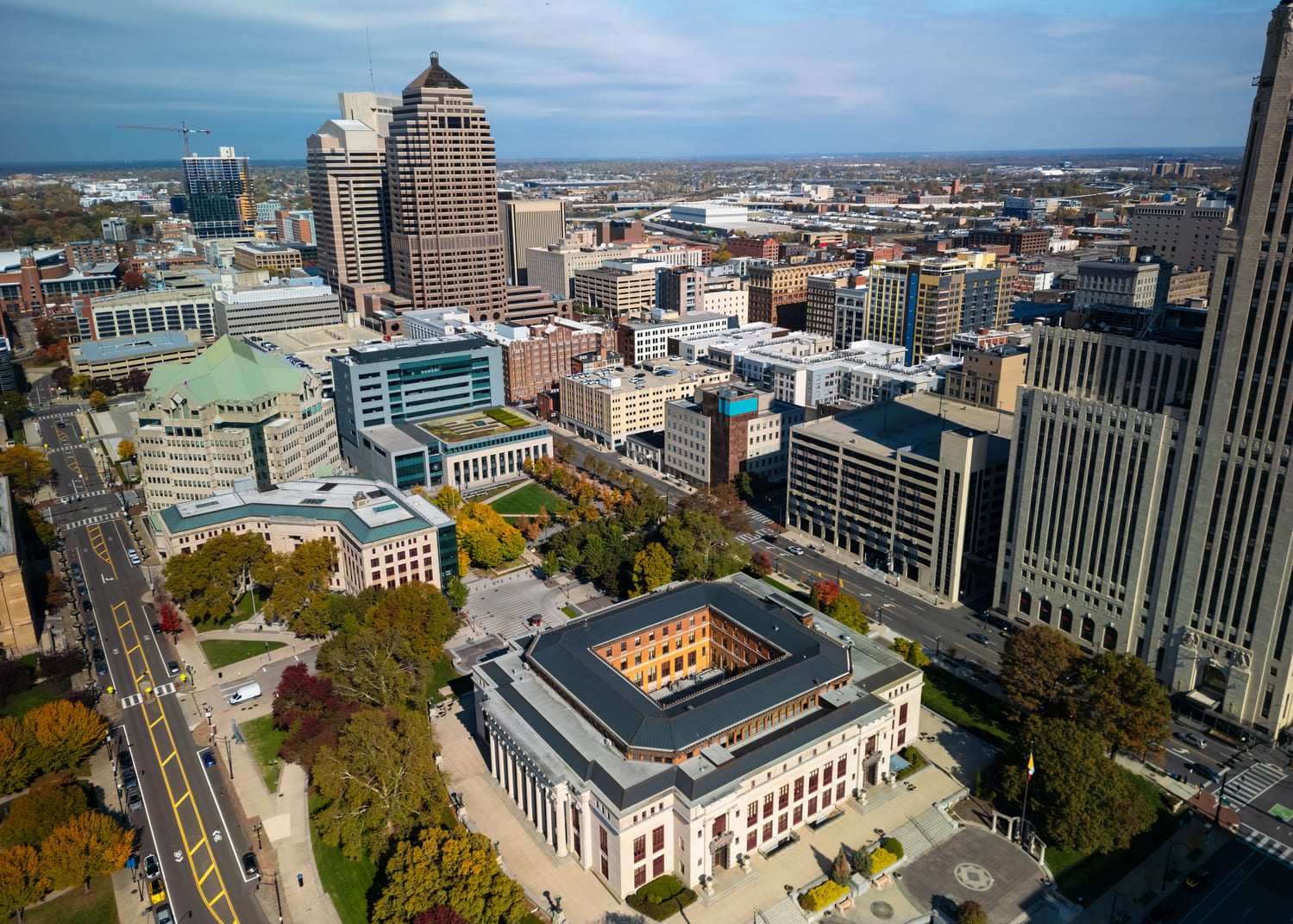
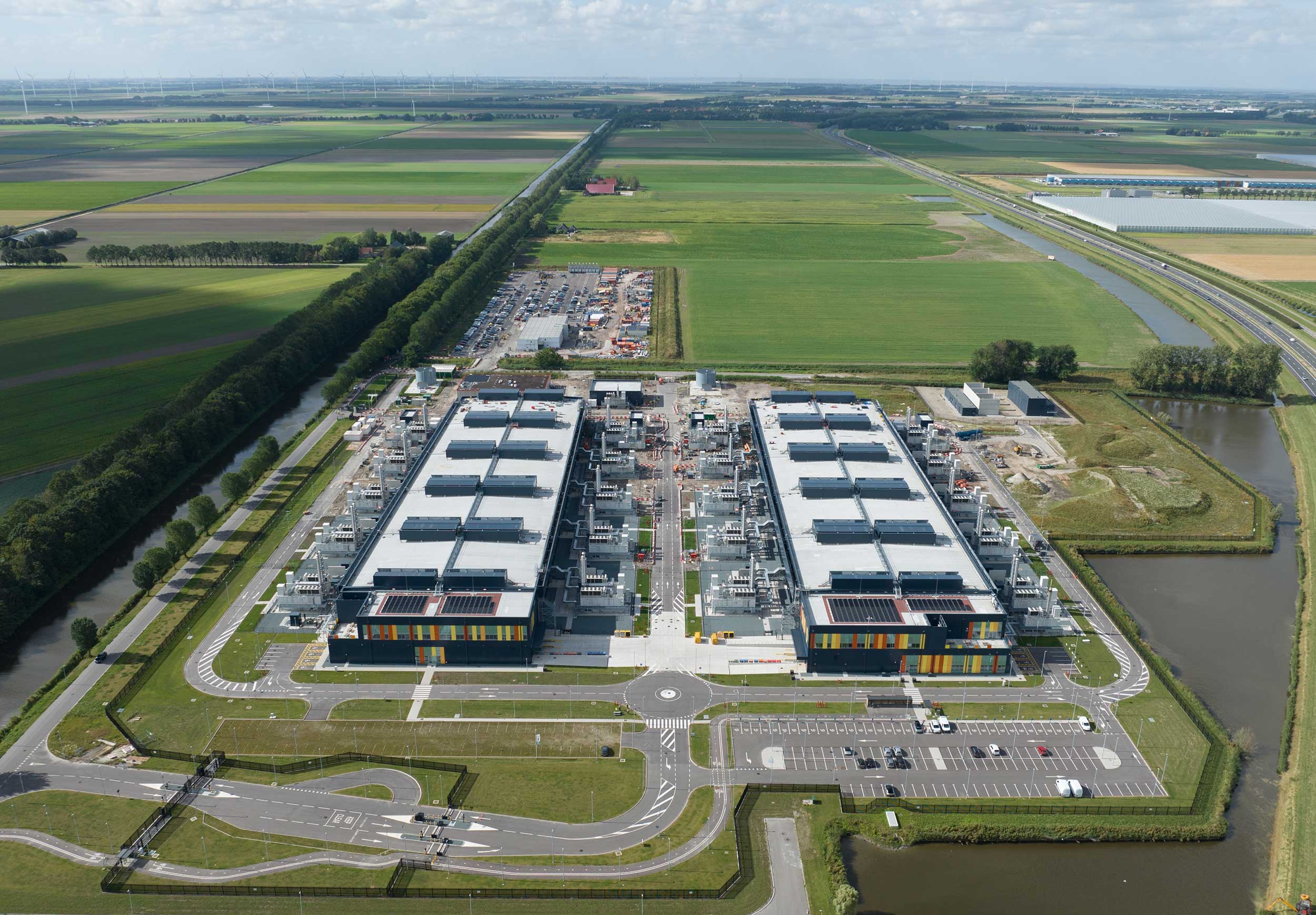
The committee will study the impact of constructed data centers on the surrounding Ohio communities.
A new bipartisan committee has been created in Ohio to study the impact of data centers, including their benefits and potential drawbacks.
The Ohio Joint Data Center Committee is a bipartisan group consisting of six Republicans and two Democrats from the state House and Senate. Meetings are set to begin on May 27.
Republican and committee co-chair State Senator Brian Chavez called the committee “a fact-finding effort.”
“We’re just gathering facts and information on what’s happening out there, what reality is. And we intend to disseminate that out,” he said.
Another Republican and co-chair state Representative Adam Holmes said that the committee will work to “build more informed opinions on data center development.”
The announcement of the bipartisan committee comes as data center construction is ramping up in Ohio, and so are community concerns.
There are currently 232 data centers built in Ohio. The centers are expected to boost jobs and technological innovation, as well as generate tax revenue for the state.
The centers create construction jobs, but also permanent ones. Workers are needed to keep the centers up and running.
Holmes recently addressed community concerns over data centers.
“We’re well aware of initiatives to limit Ohio data center development during this critical point in America’s history. This public concern has become a priority issue for us. That could have a dramatic impact on Ohio and America’s future,” Holmes said.
Republican gubernatorial candidate Vivek Ramaswamy also weighed in on the data center debate recently.
“We will do economic development in a way that brings high-paying jobs to the state. We have to protect our farmland and keep our electric bills low by making sure we’re also producing more energy in the state,” he said.
Chavez spoke more on the plans for the committee.
“We’re currently coordinating subject matter experts to provide testimony to address specific concerns about data center development. We will also ensure individual citizens have the ability to voice their opinions as well. We recognize the data centers will increasingly hold the information resources that will ensure our domestic stability, economic growth, and increased societal capabilities. The rise of artificial intelligence is certainly relevant, but data centers support much more of 21st century life.”