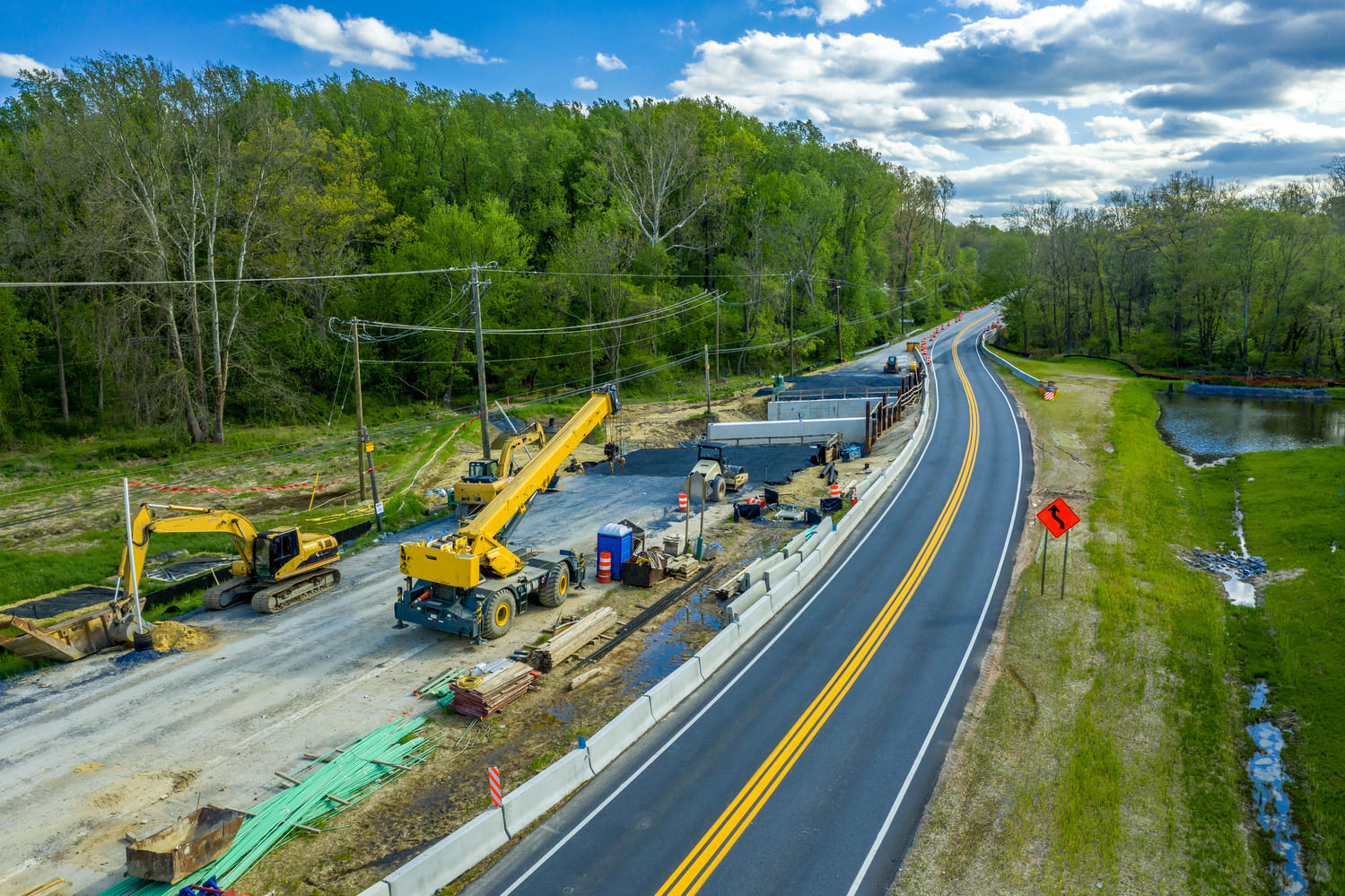

The U.S. Department of Transportation announced Wednesday that Ohio will receive $1.2 billion in federal infrastructure funding over the next three years to repair and replace structurally deficient bridges across the state. The announcement, made by Transportation Secretary Sean Duffy, positions Ohio as one of the top recipients of bridge improvement funding under the national Bridge Formula Program.
Ohio currently has more than 900 bridges rated in poor condition according to the Federal Highway Administration’s national bridge inventory. These structures span everything from rural county roads to critical interstate overpasses, and many have deferred maintenance needs that could pose safety risks if unaddressed. The new federal funding significantly accelerates the state’s ability to address the backlog.
Ohio Governor Mike DeWine welcomed the announcement in a statement: “This investment will make Ohio’s roads and bridges safer for our families and more competitive for our businesses. Infrastructure is not a partisan issue — it is a basic commitment to the safety and prosperity of our communities.” The Governor’s office said it expects construction contracts to begin going out for bid as early as the first quarter of 2026.
ODOT Director Jack Marchbanks said the department has already identified priority projects and is prepared to move quickly. The top five bridges on the priority list include structures on I-90 near Cleveland, U.S. Route 33 in Athens County, I-75 in Lucas County, and two county bridge corridors in southeastern Ohio that are critical to agricultural freight movement.
Labor unions representing construction workers in Ohio cheered the announcement. The Ohio Laborers’ District Council estimated the funding will support approximately 12,000 direct and indirect jobs in the construction sector. “This is exactly the kind of infrastructure investment that puts Ohioans to work and builds a stronger state,” said OLDC President Michael Knisley.
Transportation advocates noted that Ohio’s bridge infrastructure challenges are particularly acute in rural and Appalachian counties, where funding constraints have historically lagged behind urban areas. The federal Bridge Formula Program includes specific set-asides for off-system bridges — those on local roads rather than state highways — which are disproportionately concentrated in rural communities.
The funding will be administered in coordination with Ohio’s county engineers, who maintain many of the smaller bridge structures. The Ohio County Engineers Association said it had been working closely with ODOT to prepare a robust pipeline of shovel-ready projects to maximize the use of available funds.