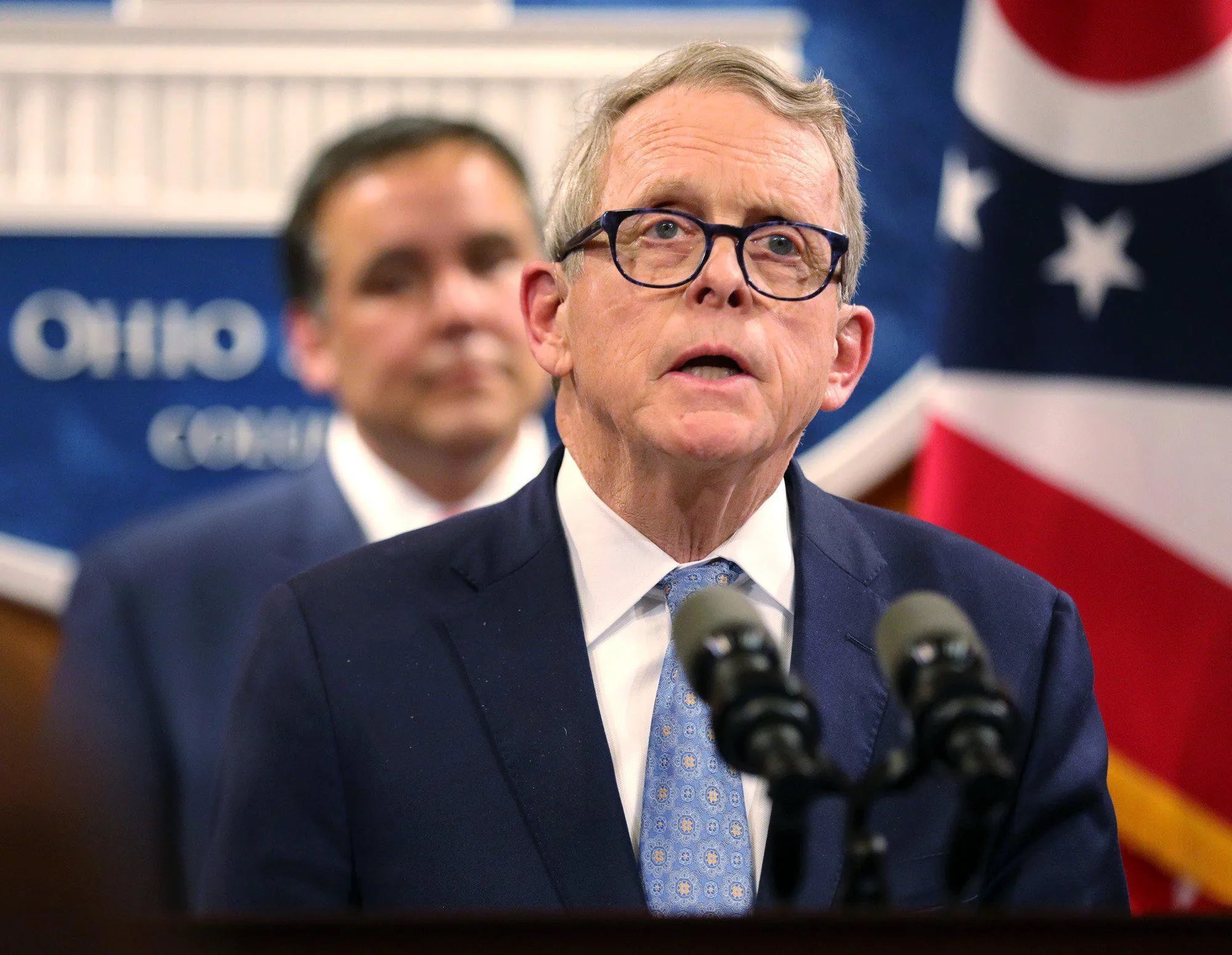
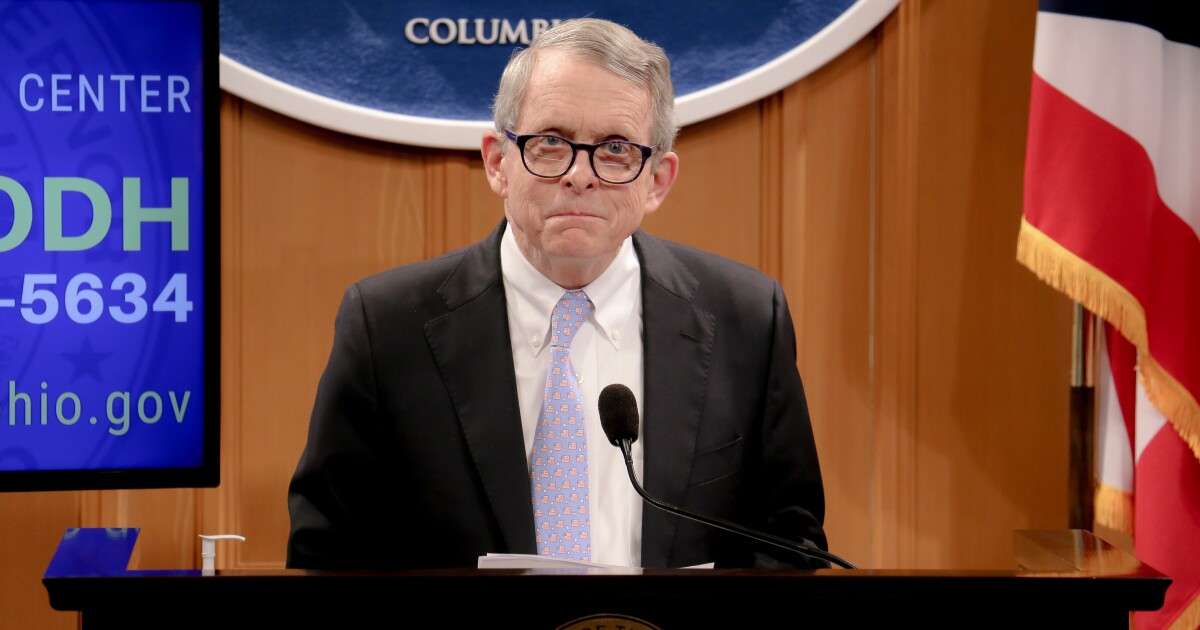
On Wednesday, Governor DeWine announced new measures to crack down on Medicaid fraud in Ohio. The measures include increased oversight of home healthcare providers, as well as providers flagged for suspicious activity.
In a statement, DeWine said that the initiatives will advance the state’s “nation-leading work and further protect taxpayer funds from those trying to defraud the state.”
The announcement came after top lawmakers accused DeWine and his former Department of Medicaid director of failing to combat fraud within the state’s program.
House Speaker Matt Huffman said on Wednesday that additional legislation is needed beyond the measures announced by DeWine. He said that he is working with Senate President Rob McColley to pass anti-Medicaid fraud legislation in the coming weeks.
Huffman previously referred to enforcement of anti-Medicaid fraud laws by former Department of Medicaid Corcoran as “patently negligent execution.” He also criticized DeWine for vetoing lawmaker-passed attempts to review Medicaid spending for potential fraud in 2019 and 2023.
Dan Tierney, a spokesman for DeWine, said in an email that the governor vetoed the 2019 budget item requiring a Medicaid audit because Ohio’s auditor’s office already conducted audits of the program.
The measures announced by DeWine on Wednesday include requiring GPS verification of all home visits by Medicaid providers, allowing the state to suspend payments to providers who have suspicious billing patterns, and mandating that live-in caregivers use electronic visit verification in order to get Medicaid payments.
DeWine also issued an executive order allowing Ohio’s Medicaid program to require more frequent revalidation checks for providers who are flagged as being at high risk for fraud.
In Ohio, the state Medicaid program totaled $43.18 billion last year in both state and federal funds. It is the state’s largest program.
Home healthcare companies have been the subject of scrutiny over the years. Many state officials have raised concerns over the companies providing non-medical services to elderly and disabled enrollees.
“Ohio has long been a national leader in fighting Medicaid fraud. Ohio has one of the best Medicaid Fraud Control units in the country, and, in 2018, Ohio became the first state to implement Electronic Visit Verification in home health care,” Governor DeWine said in a statement.
“Today, we are ready to begin several new initiatives long in development that will enhance this nation-leading work and further protect taxpayer funds from those trying to defraud the State. I thank the Trump Administration for their partnership and collaboration that is allowing us to proceed with these reforms much faster than previously possible.”